
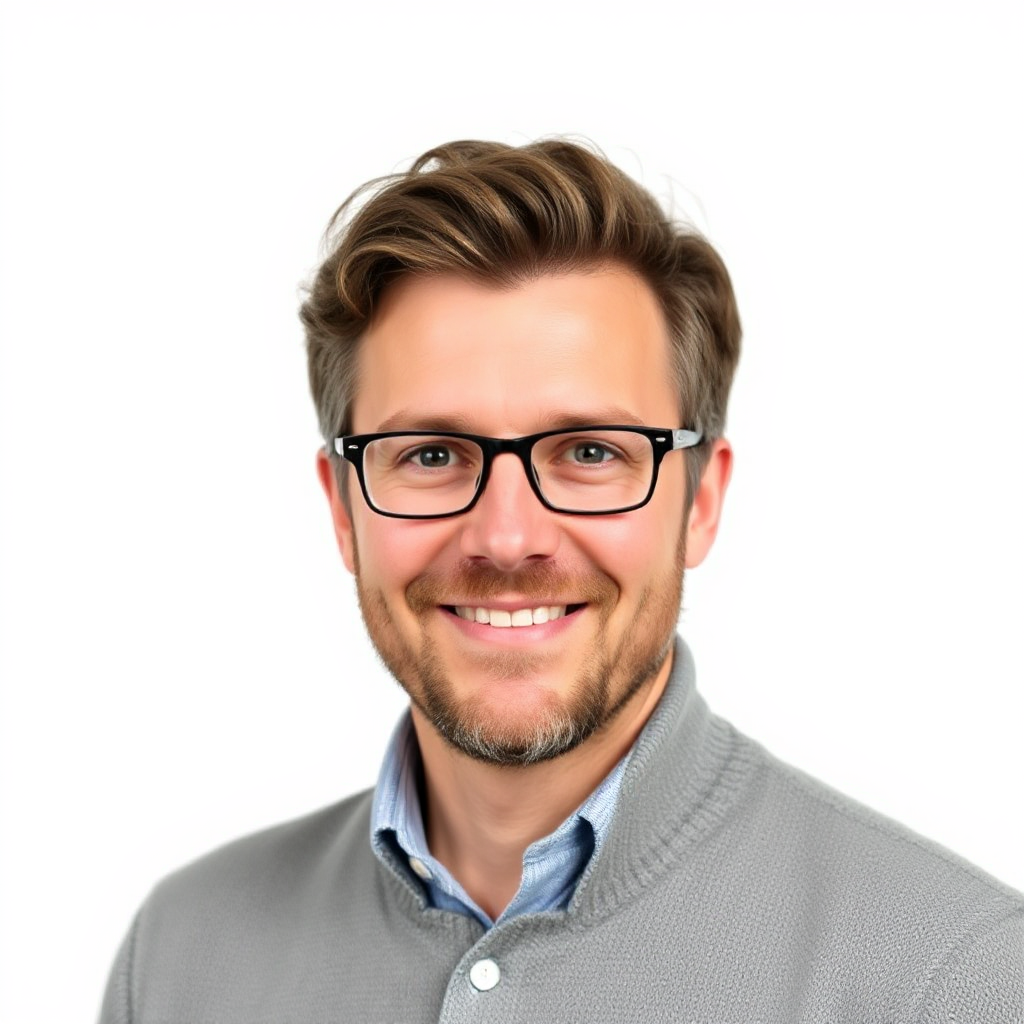
The deceased US second-in-command Dick Cheney, who died at age 84, was regarded as arguably the most powerful occupants of that position in the nation's history. Whereas countless second-in-commands were limited to marginal or ceremonial functions, Cheney held huge sway during the administration of George W Bush, to such an extent that he was frequently called as the "actual president".
Bush objected to this portrayal and claimed the relationship was more complex. He observed that Cheney was deferential, invariably referring to him in official appearances as President, while he referred to him as Dick. Bush challenged even characterisations of their relationship as a partnership because it suggested that they were on equal footing. Regardless of these denials, Cheney viewed the relaxed president pliable on a whole raft of governmental choices.
A Aftermath of 9/11
At the head of a faction of neo-cons that featured defence secretary Donald Rumsfeld and deputy defence secretary Paul Wolfowitz, he pushed hard for the invasion of Iraq in 2003 in response to the September 11th attacks on New York and Washington. At the time of the 9/11 attack, Bush had been participating in a session at a educational institution in Florida. Whereas Bush traveled to a secret bunker in Nebraska, Cheney took charge, ordering the shooting down of any non-communicating aircraft nearing the US Capitol.
Cheney claimed the strikes changed him, leading him to become intent on retribution. In conjunction with other neo-conservatives, including Rumsfeld and Wolfowitz, he advocated for a takeover of Afghanistan in an effort to seize Osama bin Laden. Cheney then strongly advocated for the armed intervention of Iraq, though there was insufficient indication of Saddam Hussein having involvement.
Disputed Decisions
He voiced no apologies about the military campaign, in which an reckoned 100,000 Iraqis lost their lives, and not about the waterboarding of detainees rounded up after 9/11. He informed CNN in 2015 that the Iraq invasion effort, which was based on inaccurate reports echoed by Cheney, was the correct path to take. "It was the correct action to do then. I had faith at the time and I believe it presently."
Yet even then, there were opposing views at a senior level about the botched execution of Iraq. One of the administration's own delegates to the Middle East, General Anthony Zinni (2001-03), was dismissed from the role. "I observed, at a minimum," he later wrote "clear negligence, inaction, and recklessness: at worst, deception, unfitness, and corruption."
Broader Context
Cheney was not completely to blame for the Iraq military action. Even before 9/11, Wolfowitz had advocated for such action. He had written a document detailing scenarios in which American interests might be compromised (including "access to essential resources, mostly Persian Gulf oil"). Wolfowitz had asserted that "the United States should be positioned to act independently when collective action cannot be arranged," explicitly referencing military moves against Iraq.
Bush also had arrived in the presidency vaguely intent on executing what his predecessor had specifically avoided to do in 1991; topple Saddam. After he had been fired by the White House, the finance chief Paul O'Neill recounted how, at the opening session of the National Security Council in January 2001, Bush had stated his objective of lowering America's engagement in the regional tensions and proposed defense operations against Iraq.
Bush bore a private grievance against Saddam, convinced he had been behind a scheme to kill his parent, President George HW Bush, on a visit to Kuwait in 1993. He furthermore resented that one of the largest hotels in Baghdad had a floor mural with a likeness of his predecessor's countenance that all visitors had to step on.
Questioning Techniques
But it was Cheney who was one of the most vehement advocating striking Iraq, repeatedly quoting information documents that were both thin or totally deceptive. He supported what the Bush White House indirectly described as "advanced techniques", the employment of waterboarding and harsh treatment.
Answering a Senate document in 2014 that concluded that no actionable intelligence had resulted from the torture, Cheney disregarded the conclusions as "full of crap". He stated to Fox News: "We instructed [the CIA] to take steps and establish programmes to capture the perpetrators who murdered 3,000 of us on 9/11 and ensure it would not recur. That is precisely what they did and they earn a lot of credit."
Public Image
Cheney enjoyed monikers assigned to him by critics such as the dark character and The Prince of Darkness, and by the notion that he was a shadow power directing Bush. In the journalist's 2013 publication about the duo, Days of Fire: Bush and Cheney in the White House, Cheney is reported as stating: "Do I represent the malevolent mastermind in the shadows that remains unseen emerge from his domain? This represents a advantageous way to function, truthfully."
Commercial Ties
Debate over his commercial relationships accompanied him throughout his time as second-in-command. While he had minimal expertise in commerce but established relationships in security, particularly in Saudi Arabia, he was offered a position at Halliburton, one of the world's most substantial petroleum conglomerates, in 1995 as chair and CEO.
In 2000 he became Bush's election partner for the presidency. Debatably, during the conflict in Iraq, Halliburton was granted US contracts valued at multiple billions.
It greatly increased his wealth. His yearly compensation during his tenure at the corporation grew from his previous salary while military head to $4.4m. When he departed in 2000 he had a severance arrangement valued at more than $20m|twenty

